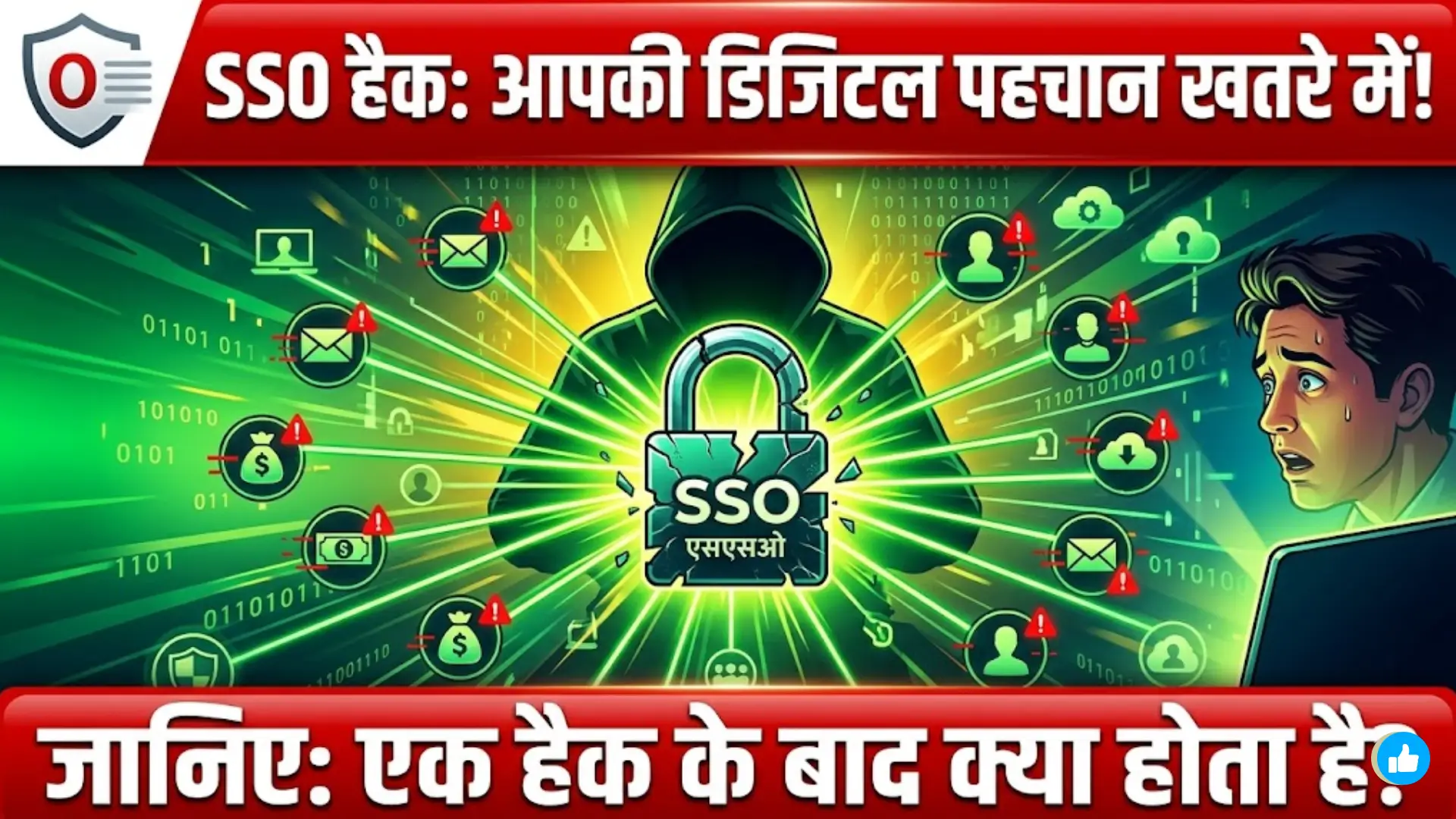
SSO Hacked
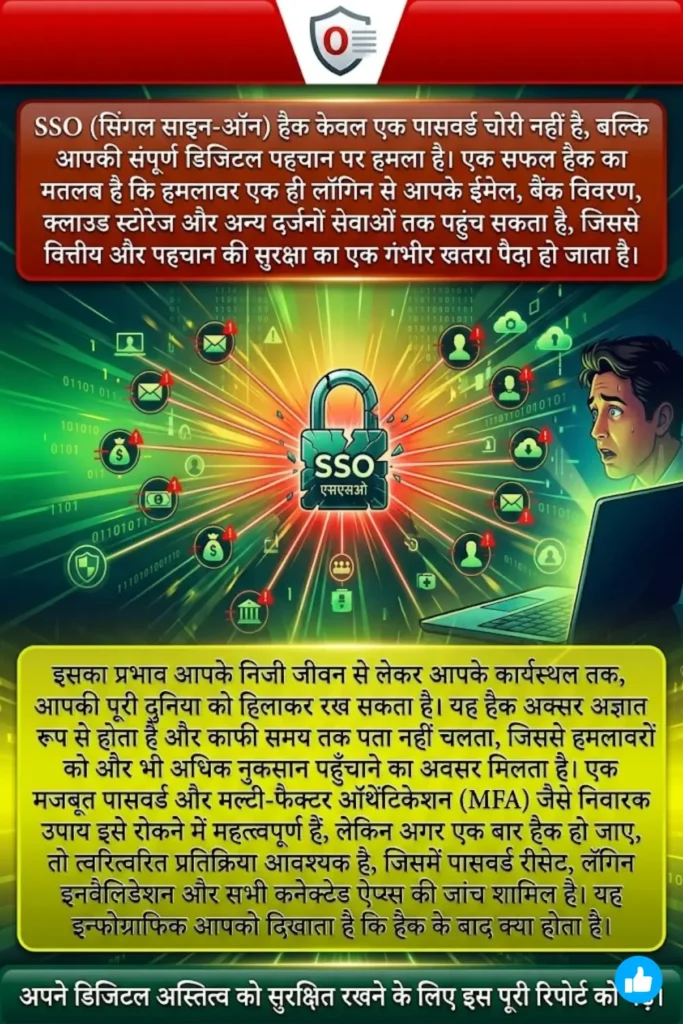
SSO Hacked: Single Sign-On (SSO) systems are designed to make life easier by letting users access multiple apps with one login. But when an SSO system gets hacked, the impact is far bigger than a normal password leak. It is not just one account at risk it can unlock an entire digital ecosystem. This is why SSO breaches are considered one of the most dangerous security incidents in modern cybersecurity.
How an SSO Hack Actually Happens
An SSO hack does not usually start with breaking complex encryption. Attackers often exploit weak points around the system instead of the system itself.
SSO API Integration Guide: Secure, Fast & Scalable Single Sign-On Setup
Common entry points include:
- Phishing attacks targeting login credentials
- Session token theft from insecure devices
- Weak multi-factor authentication setups
- Compromised third-party integrations
- Browser-based cookie hijacking
Once attackers gain access to the SSO session, they effectively become the user without needing passwords again.
Immediate Impact After an SSO Breach
The moment an SSO account is compromised, the attacker does not just access one service. They can move across all connected platforms instantly.
What typically happens next:
- Unauthorized access to emails, cloud storage, and internal tools
- Data extraction from multiple applications at once
- Account settings changes to lock out the real user
- Silent monitoring of communications and files
- Creation of backdoors for future access
This is why SSO breaches are often discovered late the attacker blends in as a legitimate user.
The Hidden Chain Reaction Inside Systems
The real danger of an SSO hack is the domino effect it triggers across systems.
Once inside, attackers may:
- Access HR systems and employee data
- Extract customer databases
- Enter financial dashboards or billing systems
- Compromise admin-level accounts
- Spread malware across connected services
SSO Implementation for Businesses: A Complete Guide to Secure and Seamless Access
In enterprise environments, one SSO breach can impact dozens of applications at once.
Business-Level Consequences
For companies, the damage goes far beyond technical issues.
Major consequences include:
- Massive data leaks affecting customers and employees
- Financial losses from fraud or system downtime
- Regulatory penalties under data protection laws
- Loss of customer trust and brand reputation
- Legal actions and compliance investigations
In some cases, recovery takes months and costs millions.
User-Level Consequences
For individuals, the impact is also serious even if they are not aware immediately.
Possible risks:
- Identity theft using personal information
- Unauthorized transactions or purchases
- Account takeovers on linked services
- Exposure of private messages or documents
- Long-term compromise of digital identity
Top SSO Solutions for Small Businesses in 2026: Complete Comparison & Review
Since SSO connects everything, one breach can expose a user’s entire digital life.
Why SSO Breaches Are Hard to Detect
SSO systems are built for convenience, not constant alerts. This creates blind spots.
Reasons detection is difficult:
- Attackers use valid login sessions
- No repeated password prompts
- Activity appears “normal” in logs
- Multiple systems trust the same login
- Delayed security alerts across platforms
By the time abnormal behavior is noticed, damage is often already done.
How Organizations Respond After a Breach
Once an SSO hack is detected, companies take immediate emergency actions.
Typical response steps:
- Forcing global password resets
- Invalidating all active sessions
- Disabling compromised accounts
- Investigating access logs across systems
- Notifying users and regulators
- Strengthening authentication policies
Fast response is critical to limit spread.
Prevention Strategies That Actually Work
Preventing SSO attacks requires layered security rather than relying on one system.
AI-Powered SSO Authentication 2026: The Smart Login Revolution Replacing Passwords Forever
Best practices include:
- Strong multi-factor authentication (MFA)
- Device-based login verification
- Short session expiration times
- Zero-trust security models
- Monitoring unusual login behavior
- Limiting third-party access permissions
Security teams now focus more on “assume breach” strategies.
Future of SSO Security
SSO is not going away it is becoming more advanced. Future systems are shifting toward:
- Passwordless authentication
- Biometric verification
- AI-based threat detection
- Continuous session validation
- Context-aware login systems
The goal is simple: even if credentials are stolen, access should not be possible.
Conclusion
An SSO hack is not a simple password problem it is a full identity compromise. Because one login connects many systems, the damage spreads quickly and silently. Understanding what happens next after a breach helps both users and organizations take security more seriously. In the modern digital world, protecting SSO is essentially protecting everything.
You Can Also Read: Future of SSO Authentication 2026: The Rise of Passwordless, AI-Driven Identity Security