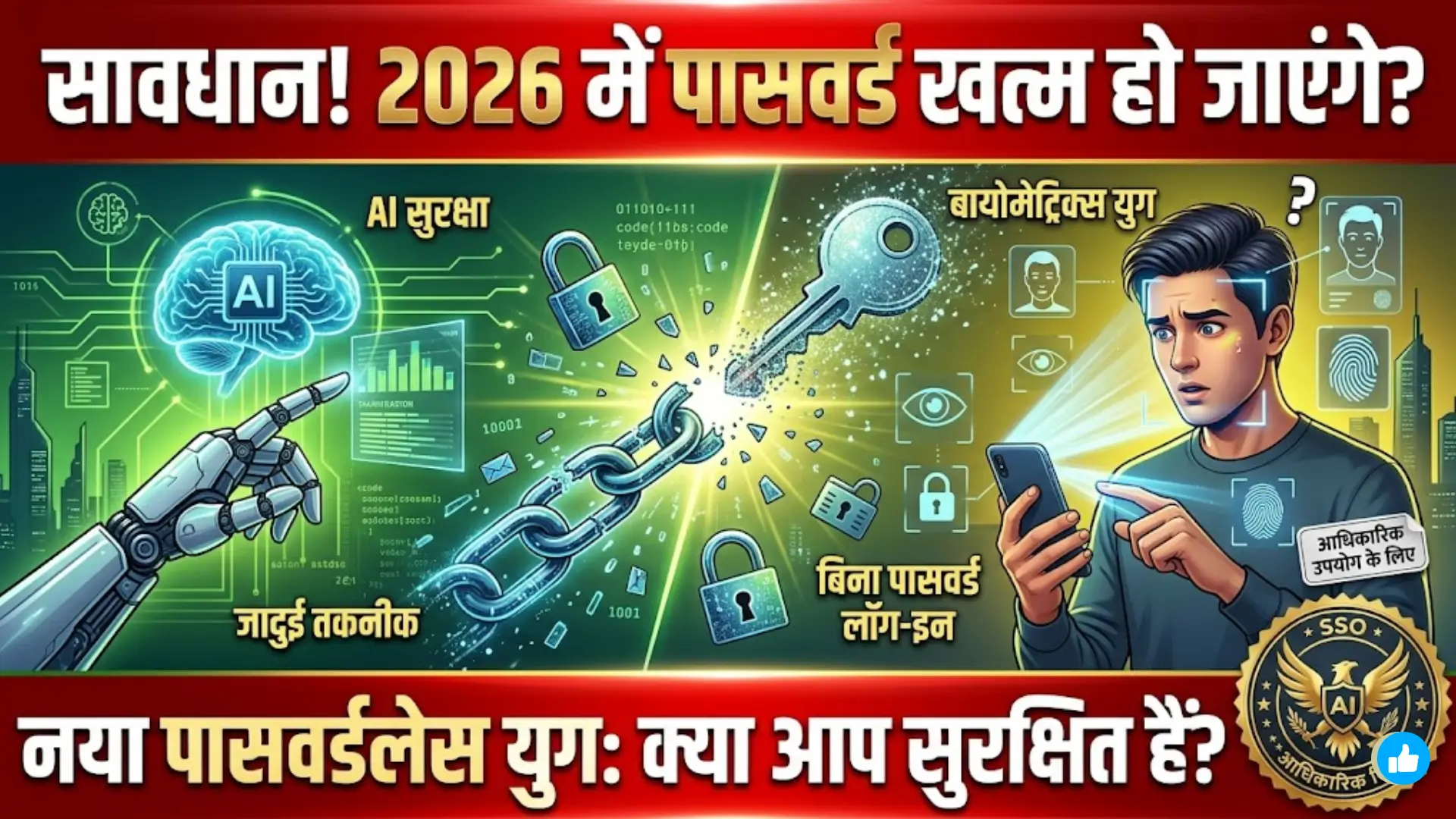
Future of SSO Authentication 2026
Future of SSO Authentication 2026: The world of digital security is changing faster than ever, and Single Sign-On (SSO) is no longer just a convenience feature it has become the backbone of modern identity management. In 2026, SSO authentication is evolving into a smarter, faster, and more secure system powered by artificial intelligence and passwordless technologies. Businesses and users both are demanding seamless access without compromising security, and this shift is shaping the future of authentication.
Advantages and Disadvantages of SSO (Single Sign-On): A Complete Guide for Beginners
Today’s users are tired of managing multiple passwords, while organizations are facing increasing cyber threats. This is where the next generation of SSO steps in, combining AI intelligence, Zero Trust principles, and passwordless access to create a secure digital ecosystem. The result is not only better protection but also a smoother user experience that feels almost invisible.
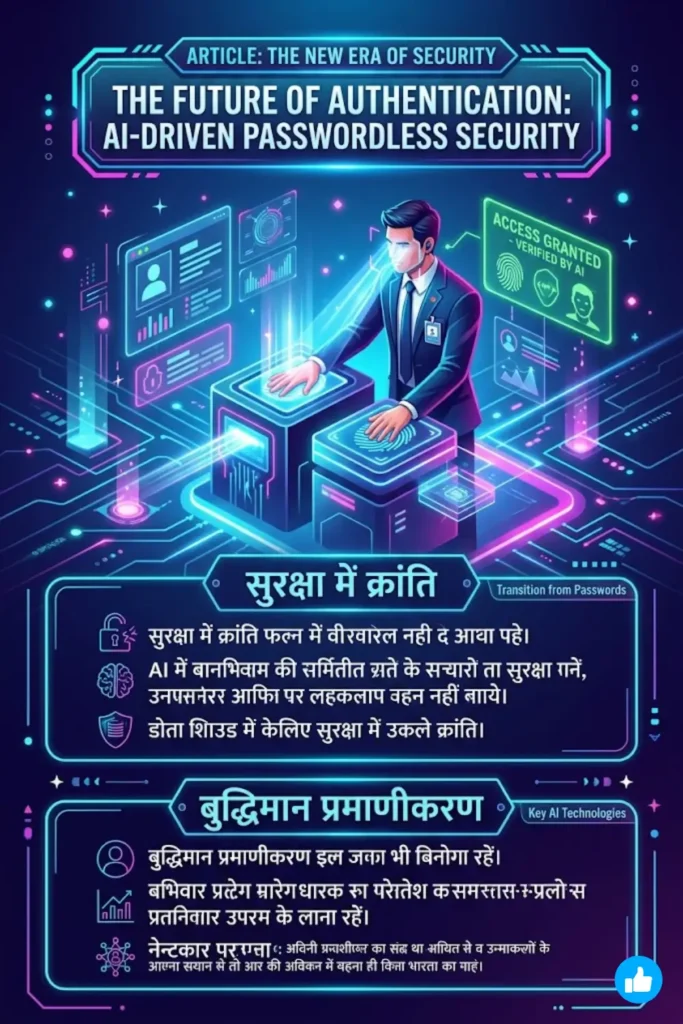
What Makes SSO in 2026 Different
SSO in 2026 is not just about logging in once and accessing multiple apps. It has become a fully intelligent system that continuously monitors user behavior and adapts security measures in real time. This evolution is driven by the need to handle sophisticated cyberattacks and growing digital ecosystems.
Modern SSO platforms now use contextual authentication, meaning they analyze factors like location, device, and user behavior before granting access. Instead of relying only on static credentials, systems dynamically decide whether a login attempt is safe or suspicious.
SSO vs LDAP Authentication: Key Differences, Benefits, and Which One is Right for You
- Real-time risk assessment during login attempts
- Device-based authentication replacing passwords
- Seamless integration across cloud and on-premise systems
- Continuous verification instead of one-time login
The Rise of Passwordless Authentication
One of the biggest transformations in 2026 is the shift toward passwordless authentication. Passwords are increasingly seen as the weakest link in security due to phishing attacks, reuse, and human error. SSO systems are now eliminating this risk by replacing passwords with more secure alternatives.
Users can now log in using biometrics like fingerprints or facial recognition, secure tokens, or device-based authentication methods. This not only improves security but also makes the login process faster and more user-friendly.
- Biometric authentication (fingerprint, face ID)
- Magic links and one-time secure tokens
- Hardware-based security keys
- Mobile device authentication
Passwordless SSO is reducing friction for users while significantly lowering the chances of unauthorized access.
OpenID Connect SSO Explained: Secure Authentication for Modern Applications
How AI is Transforming SSO Security
Artificial intelligence is at the core of next-generation SSO systems. AI doesn’t just authenticate users—it learns from their behavior and detects anomalies that humans or traditional systems might miss.
For example, if a user suddenly tries to log in from a different country or an unusual device, AI can flag this as suspicious and trigger additional verification steps. This proactive approach helps prevent breaches before they happen.
- Behavioral analytics to detect unusual patterns
- Automated threat detection and response
- Adaptive authentication based on risk levels
- Continuous learning from user activity
AI-driven SSO systems are becoming smarter every day, making them a powerful defense against modern cyber threats.
Integration with Zero Trust Architecture
The future of SSO is closely linked with Zero Trust security models. In this approach, no user or device is trusted by default, even if they are inside the network. Every access request must be verified continuously.
SSO acts as a central identity layer within Zero Trust, ensuring that only authenticated and authorized users can access resources. Combined with AI, this creates a highly secure environment where risks are minimized at every step.
SSO API Integration Guide: Secure, Fast & Scalable Single Sign-On Setup
- Continuous identity verification
- Least-privilege access control
- Micro-segmentation of systems
- Real-time monitoring and validation
This integration ensures that security is not just a checkpoint but an ongoing process.
Benefits for Businesses and Users
The advancements in SSO authentication are delivering real, measurable benefits for both organizations and end users. Businesses can reduce security risks while improving productivity, and users enjoy a faster, hassle-free experience.
Organizations no longer need to deal with frequent password resets or security breaches caused by weak credentials. At the same time, employees and customers can access multiple platforms effortlessly.
| Benefit | Impact |
|---|---|
| Enhanced Security | Reduced risk of phishing and data breaches |
| Improved User Experience | Faster and seamless login process |
| Cost Efficiency | Lower IT support and password reset costs |
| Scalability | Easy integration with modern applications |
SSO Implementation for Businesses: A Complete Guide to Secure and Seamless Access
Challenges in the Future of SSO
While the future looks promising, there are still challenges that organizations need to address. Implementing advanced SSO systems requires proper planning, infrastructure, and user awareness.
Privacy concerns are also growing as AI systems collect and analyze user data. Companies must ensure transparency and compliance with global data protection regulations.
- High initial implementation cost
- Integration with legacy systems
- User resistance to new technologies
- Data privacy and compliance issues
Addressing these challenges is crucial for successful adoption.
Best Practices for Adopting Future SSO
To fully benefit from next-generation SSO authentication, organizations should follow a strategic approach. Simply implementing technology is not enough; it must be aligned with security goals and user needs.
- Adopt passwordless authentication wherever possible
- Use AI-based risk assessment tools
- Implement Zero Trust security principles
- Regularly update and audit access controls
- Educate users about secure authentication practices
A well-planned SSO strategy can transform the entire security posture of an organization.
Top SSO Solutions for Small Businesses in 2026: Complete Comparison & Review
FAQs
What is the future of SSO authentication in 2026?
SSO in 2026 focuses on passwordless access, AI-driven security, and continuous authentication for better protection and user experience.
Is passwordless authentication safe?
Yes, it is safer than traditional passwords because it eliminates risks like phishing and password reuse.
How does AI improve SSO security?
AI analyzes user behavior and detects unusual activities, helping prevent unauthorized access in real time.
Can small businesses use advanced SSO systems?
Yes, many cloud-based SSO solutions are scalable and affordable for small and medium-sized businesses.
Conclusion
The future of SSO authentication in 2026 is defined by intelligence, simplicity, and security. With the rise of passwordless technology and AI-driven systems, authentication is becoming more secure while also more user-friendly. Organizations that adopt these innovations early will not only protect their data but also gain a competitive advantage in the digital world.
As cyber threats continue to evolve, SSO is no longer optional it is a critical component of modern cybersecurity strategy.
You Can Also Read: AI-Powered SSO Authentication 2026: The Smart Login Revolution Replacing Passwords Forever