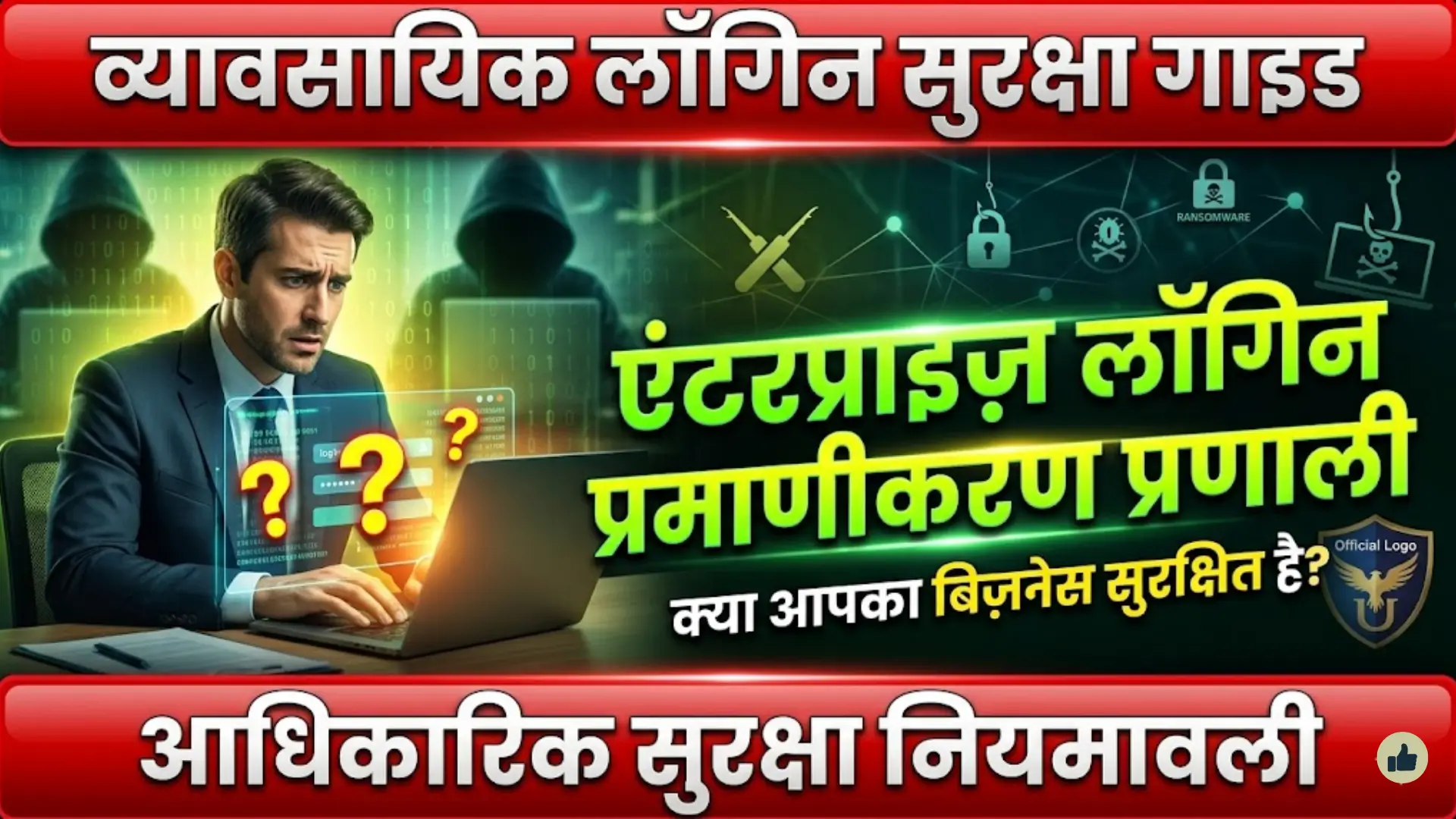
Enterprise Login Authentication System
Enterprise Login Authentication System: Modern businesses depend on digital platforms for daily operations. Employees use cloud applications, internal dashboards, communication tools, and financial systems every day. As companies grow, managing secure access becomes more difficult. This is where an enterprise login authentication system becomes important. It helps organizations verify user identities, protect sensitive information, and simplify access management across multiple platforms.
SSO Authentication for Beginners (2026): A Simple Guide to Secure One-Click Login Systems

Cybersecurity threats are increasing every year. Businesses now face phishing attacks, credential theft, ransomware, and unauthorized access attempts. A strong enterprise authentication system reduces these risks by ensuring that only authorized users can access company resources. Many organizations are moving toward advanced authentication technologies to improve security and productivity at the same time.
SSO vs Traditional Login Systems: The Smart Authentication Shift Every Modern App Is Making in 2026
What Is an Enterprise Login Authentication System?
An enterprise login authentication system is a security framework that verifies the identity of employees, administrators, vendors, and other users before granting access to company systems. It acts as the first line of defense against unauthorized access.
These systems are commonly used in:
- Corporate offices
- Cloud-based platforms
- Financial organizations
- Healthcare systems
- Government institutions
- Educational platforms
- Remote work environments
The main purpose is to provide secure and controlled access to digital resources while making login processes easier for employees.
SSO Security Risks in 2026: Hidden Threats and Modern Solutions for Safer Authentication Systems
Why Businesses Need Enterprise Authentication Systems
Modern organizations use dozens of applications daily. Without centralized authentication, employees may need separate usernames and passwords for every platform. This creates confusion and increases security risks.
An enterprise login authentication system helps businesses:
- Protect sensitive company data
- Reduce password-related problems
- Improve employee productivity
- Prevent unauthorized access
- Monitor login activity in real time
- Support remote and hybrid work environments
- Meet cybersecurity compliance standards
Companies that use advanced authentication systems often experience fewer security breaches and better operational efficiency.
Key Components of an Enterprise Login Authentication System
Single Sign-On Technology
Single Sign-On allows users to log in once and access multiple applications without entering credentials repeatedly. This improves convenience while maintaining centralized security control.
SSO Token-Based Authentication Explained: Secure, Scalable Login System for Modern Web Applications
Benefits include:
- Faster access to applications
- Reduced password fatigue
- Lower help desk costs
- Better employee experience
Many modern enterprises use SSO for cloud platforms, collaboration tools, and internal portals.
Multi-Factor Authentication
Multi-Factor Authentication adds an extra security layer by requiring additional verification beyond a password. Users may need to confirm their identity using:
- One-time codes
- Authentication apps
- Fingerprint scans
- Face recognition
- Hardware security keys
This significantly reduces the chances of account compromise.
Identity and Access Management
Identity and Access Management systems control who can access specific resources within an organization. Administrators can assign permissions based on roles, departments, or job responsibilities.
This helps companies:
- Restrict unnecessary access
- Monitor employee activity
- Improve compliance management
- Reduce insider security risks
Hidden Benefits of Single Sign-On You Should Know in 2026
Adaptive Authentication
Adaptive authentication uses intelligent risk analysis to determine login security requirements. If a login attempt appears suspicious, the system may request additional verification.
Factors analyzed may include:
- Device type
- User location
- Login behavior
- IP address
- Time of access
This creates a balance between security and user convenience.
How Enterprise Authentication Systems Improve Security
Strong authentication systems protect businesses from several cybersecurity threats. Traditional password-only security is no longer enough because attackers use advanced methods to steal credentials.
Enterprise authentication systems improve security by:
- Blocking unauthorized login attempts
- Detecting suspicious behavior quickly
- Reducing phishing attack success rates
- Encrypting user credentials
- Supporting zero trust security models
- Providing detailed security logs
Organizations with strong authentication strategies are better prepared to handle modern cyber threats.
Future of Single Sign-On: 2026 Trends Changing Digital Security
Common Authentication Methods Used by Enterprises
Password-Based Authentication
This is the traditional login method using usernames and passwords. Although still widely used, it is often combined with additional security measures for better protection.
Biometric Authentication
Biometric systems verify identity through physical characteristics such as fingerprints, facial recognition, or retina scans.
Advantages include:
- Faster login experience
- Stronger identity verification
- Reduced password dependency
Token-Based Authentication
Users receive secure digital tokens after successful login verification. These tokens allow temporary access to systems without repeatedly entering credentials.
Certificate-Based Authentication
This method uses digital certificates to confirm user identity. It is commonly used in enterprise networks and secure communication systems.
Why SSO Is Replacing Traditional Login Systems Across the World
Benefits of Enterprise Login Authentication Systems
Improved Data Protection
Sensitive company information remains protected from unauthorized access and cybercriminals.
Better User Experience
Employees can securely access multiple systems without managing too many passwords.
Stronger Compliance Management
Many industries must follow strict data protection regulations. Enterprise authentication systems help organizations meet these security standards.
Reduced IT Support Costs
Password resets are one of the most common IT support issues. Centralized authentication systems reduce these requests significantly.
Enhanced Remote Work Security
Remote employees can securely access company resources from different locations while maintaining proper security controls.
Challenges Businesses Face During Implementation
Although enterprise authentication systems provide many benefits, implementation can be challenging for some organizations.
Common challenges include:
- Integration with legacy systems
- Employee resistance to new login methods
- Initial setup costs
- Managing user permissions correctly
- Maintaining system scalability
Businesses should carefully plan deployment strategies to avoid operational disruptions.
Real-Life Single Sign-On Explained: Why Modern Apps Depend on One Secure Login
Best Practices for Enterprise Authentication Security
Organizations should follow modern cybersecurity practices to maximize protection.
Enable Multi-Factor Authentication Everywhere
MFA should be applied across all important business systems, especially cloud applications and administrator accounts.
Use Strong Password Policies
Employees should create unique and complex passwords to reduce credential-based attacks.
Regularly Monitor Login Activity
Security teams should review authentication logs to identify unusual access attempts or suspicious behavior.
Apply Role-Based Access Control
Employees should only access systems necessary for their job responsibilities.
Keep Authentication Systems Updated
Regular software updates help protect against newly discovered security vulnerabilities.
Enterprise Authentication Trends in 2026
Authentication technology continues to evolve rapidly. Businesses are adopting smarter and more secure identity verification methods.
Key trends include:
- Passwordless authentication systems
- AI-powered threat detection
- Biometric security expansion
- Zero trust security frameworks
- Cloud-native identity management
- Behavioral authentication technologies
These innovations aim to improve both cybersecurity and user convenience.
Choosing the Right Enterprise Login Authentication System
Businesses should evaluate several factors before selecting an authentication solution.
एकल साइन-ऑन प्रणाली लागू करते समय होने वाली सामान्य गलतियाँ जिन्हें हर हाल में टालना चाहिए
Important considerations include:
| Feature | Importance |
|---|---|
| Security Strength | Protects against cyber threats |
| Scalability | Supports business growth |
| User Experience | Improves employee productivity |
| Integration Support | Works with existing systems |
| Compliance Features | Helps meet regulations |
| Cloud Compatibility | Supports modern applications |
Organizations should choose solutions that align with their security goals and operational needs.
Future of Enterprise Authentication Systems
The future of enterprise authentication focuses on intelligent, passwordless, and AI-driven security systems. Businesses are moving toward seamless authentication experiences that combine strong protection with minimal user friction.
Future systems may rely heavily on:
- Behavioral biometrics
- Continuous authentication
- AI-based identity verification
- Decentralized identity solutions
- Advanced cloud security integration
As cyber threats evolve, authentication technologies will continue becoming more advanced and adaptive.
आधुनिक अनुप्रयोगों के लिए एकल साइन-ऑन प्रणाली की सर्वोत्तम कार्यप्रणालियाँ
Frequently Asked Questions
What is the main purpose of an enterprise login authentication system?
Its main purpose is to verify user identities and protect business systems from unauthorized access while improving access management efficiency.
Why is multi-factor authentication important for enterprises?
Multi-factor authentication adds extra verification layers, making it much harder for attackers to gain access using stolen passwords.
Can small businesses use enterprise authentication systems?
Yes, many modern authentication platforms are scalable and suitable for both small businesses and large enterprises.
What is the difference between SSO and MFA?
SSO allows users to access multiple applications with one login, while MFA adds extra security verification during authentication.
Are biometric authentication systems secure?
Biometric systems are generally secure because physical characteristics are difficult to replicate, although they should still be combined with additional security measures.
Conclusion
An enterprise login authentication system is now an essential part of modern cybersecurity strategy. Businesses face increasing digital threats, and traditional password-only security is no longer enough. Advanced authentication systems help organizations secure sensitive data, improve employee access, and reduce cybersecurity risks.
As technology continues evolving, businesses must adopt modern authentication practices such as multi-factor authentication, identity management, and passwordless security solutions. Companies that invest in strong authentication systems today will be better prepared for future cybersecurity challenges while maintaining efficient and secure operations.
Get More info: Business SSO Security Platforms: Secure Identity Access Management for Modern Enterprises in 2026