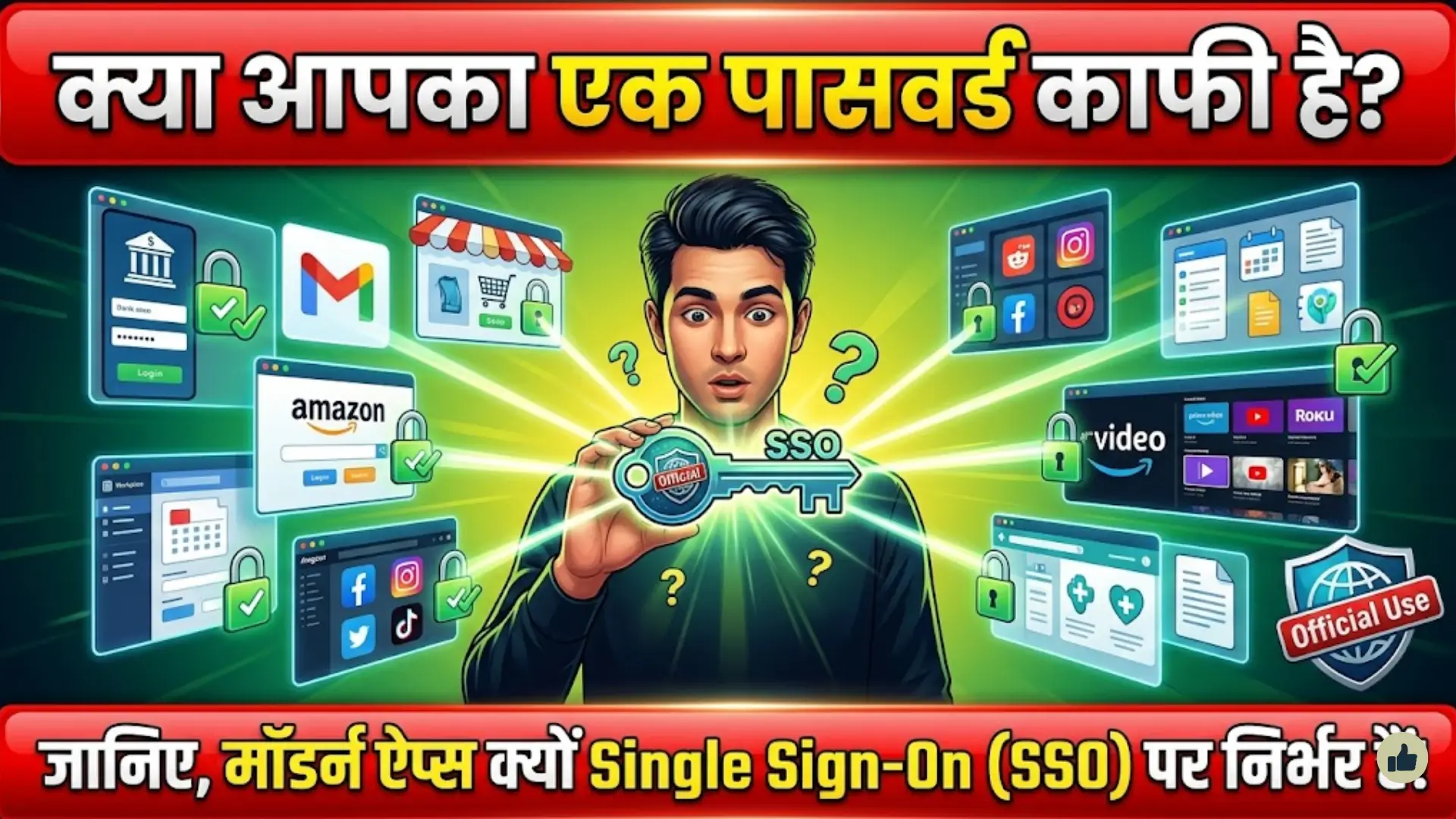
Real-Life Single Sign-On Explained
Real-Life Single Sign-On Explained: Remembering dozens of usernames and passwords has become a daily problem for internet users. From office tools and banking apps to streaming platforms and online shopping websites, people now access multiple services every day. This is where Single Sign-On, commonly called SSO, has changed the digital experience.
Single Sign-On allows users to log in once and gain access to multiple connected applications without entering passwords repeatedly. It saves time, improves security, and creates a smoother online experience for both businesses and individual users.
Rajasthan SSO Portal Made Simple: Step-by-Step Guide to Create and Use Your ID
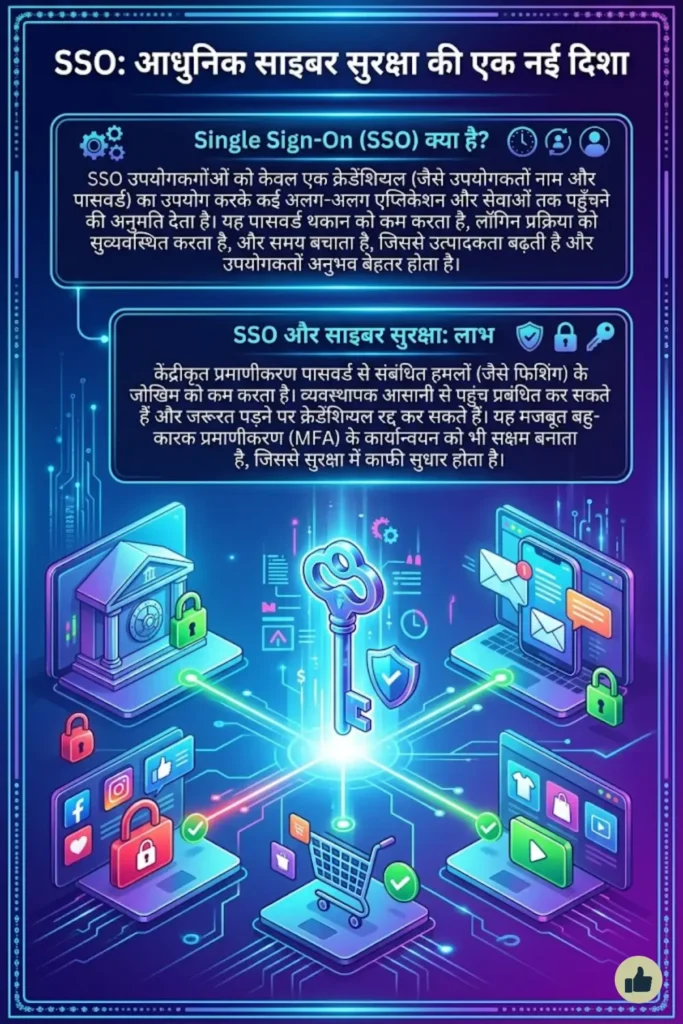
Today, many of the world’s biggest digital platforms rely on SSO systems to manage millions of user accounts safely and efficiently.
What Is Single Sign-On?
Single Sign-On is an authentication system that lets users access multiple apps or services using one login credential. Instead of signing in separately on every website or platform, users authenticate once through a trusted identity provider.
Fathom Video SAML SSO Integration: Step-by-Step CyberArk Identity Configuration Guide
For example, when someone signs into a productivity app using a Google account, they often gain instant access to connected tools without creating a new password for each service.
SSO works quietly in the background, but it has become one of the most important technologies in modern cybersecurity and digital convenience.
How Single Sign-On Works in Real Life
In real-world use, SSO connects three major components:
- The user
- The application or service
- The identity provider
Here is a simple real-life process:
- A user opens an app or website.
- The app redirects the user to a trusted login provider.
- The user enters credentials once.
- The identity provider verifies the login.
- A secure authentication token is sent back.
- The user gets access without another login request.
This process usually takes only a few seconds.
Most users experience SSO daily without even noticing it. Logging into multiple work tools using Microsoft accounts or accessing different services with one Google login are common examples.
Why Modern Apps Depend on Single Sign-On
Modern applications handle large amounts of user data and digital activity. Managing separate passwords for every platform increases security risks and frustrates users.
SSO solves many of these problems at the same time.
Better User Experience
People prefer fast and simple login systems. Repeated password requests often lead to frustration and abandoned apps.
Single Sign-On creates:
- Faster access to services
- Fewer password resets
- Smoother mobile experiences
- Easier onboarding for new users
For businesses, this directly improves customer satisfaction and user retention.
Stronger Security Protection
Many people reuse weak passwords across multiple websites. This creates serious cybersecurity risks.
SSO improves security by:
- Reducing password fatigue
- Supporting multi-factor authentication
- Centralizing login monitoring
- Limiting password exposure
SSO vs Traditional Login Systems: The Smart Authentication Shift Every Modern App Is Making in 2026
Organizations can also quickly disable access from one central system if suspicious activity appears.
Real-Life Examples of Single Sign-On
Single Sign-On is now part of everyday digital life.
Workplace Systems
Large companies use SSO so employees can access:
- Email platforms
- Cloud storage
- HR systems
- Internal dashboards
- Video meeting tools
Workers sign in once and continue working without repeated authentication requests.
Education Platforms
Schools and universities use SSO for student portals, online classes, and digital libraries. Students can move between learning systems with one account.
E-Commerce and Social Platforms
Many shopping websites allow users to sign in with existing Google, Apple, or Facebook accounts. This speeds up account creation and increases user trust.
SSO Authentication for Beginners (2026): A Simple Guide to Secure One-Click Login Systems
Healthcare Services
Hospitals and clinics use SSO to help medical staff securely access patient systems and records without wasting time on repeated logins.
Technologies Behind Single Sign-On
Several authentication protocols power modern SSO systems.
SAML
Security Assertion Markup Language, or SAML, is widely used in enterprise environments. It securely exchanges authentication data between systems.
OAuth
OAuth allows apps to access user information without sharing passwords directly. It is commonly used in social login systems.
OpenID Connect
OpenID Connect adds identity verification on top of OAuth and is heavily used in modern mobile and web applications.
These technologies help applications communicate securely while protecting user identities.
SSO Security Risks in 2026: Hidden Threats and Modern Solutions for Safer Authentication Systems
Benefits of Single Sign-On for Businesses
Companies are rapidly adopting SSO because it improves both operations and security.
Main business benefits include:
- Lower IT support costs
- Fewer password reset requests
- Faster employee productivity
- Centralized access management
- Better compliance with security policies
SSO also helps organizations scale faster as new applications can be connected under one authentication system.
Common Challenges of Single Sign-On
Although SSO offers many advantages, it also comes with challenges.
Single Point of Failure
If the main SSO account becomes compromised, attackers may access multiple connected services.
This is why companies combine SSO with:
- Multi-factor authentication
- Device verification
- Login monitoring
- Conditional access controls
SSO Token-Based Authentication Explained: Secure, Scalable Login System for Modern Web Applications
Integration Complexity
Older applications may not easily support modern SSO standards. Businesses sometimes need custom integrations or security upgrades.
Despite these challenges, most organizations still consider SSO essential for modern digital infrastructure.
Why Single Sign-On Is Growing in 2026
Digital ecosystems continue expanding every year. People now use more apps, cloud services, and connected platforms than ever before.
As remote work, cloud computing, and mobile access grow, businesses need authentication systems that are both secure and convenient.
In 2026, SSO is becoming a standard feature across:
- Enterprise software
- Banking applications
- Education systems
- Healthcare platforms
- Government services
- E-commerce websites
The demand for passwordless authentication and AI-driven cybersecurity is also increasing the importance of advanced SSO solutions.
Future of Single Sign-On
The future of Single Sign-On is moving toward smarter and more secure authentication systems.
Hidden Benefits of Single Sign-On You Should Know in 2026
Emerging trends include:
- Passwordless logins
- Biometric authentication
- AI-based threat detection
- Adaptive authentication systems
- Zero-trust security models
These innovations aim to make digital access safer while reducing friction for users.
SSO is no longer just a convenience feature. It has become a core part of modern online security and digital identity management.
Conclusion
Single Sign-On has transformed how people access digital services in real life. Instead of managing countless passwords, users can now move across apps and platforms with one secure login.
Businesses benefit from improved security, reduced IT workload, and better user experiences, while users enjoy faster and more convenient access to their favorite tools and services.
As technology continues evolving in 2026 and beyond, Single Sign-On will remain one of the most important systems powering the modern internet.
Future of Single Sign-On: 2026 Trends Changing Digital Security
FAQs
Is Single Sign-On safe to use?
Yes, SSO is generally safe when combined with strong security measures like multi-factor authentication and login monitoring.
What is the biggest benefit of Single Sign-On?
The biggest benefit is convenience. Users can access multiple services with one secure login while reducing password-related problems.
Do companies use Single Sign-On internally?
Yes, many businesses use SSO for employee systems, cloud applications, and workplace platforms.
Can Single Sign-On work on mobile apps?
Yes, modern mobile apps widely support SSO through technologies like OAuth and OpenID Connect.
Is Single Sign-On becoming more popular?
Yes, SSO adoption continues growing rapidly because businesses need secure and user-friendly authentication systems.
Why SSO Is Replacing Traditional Login Systems Across the World