Business SSO Security Platforms
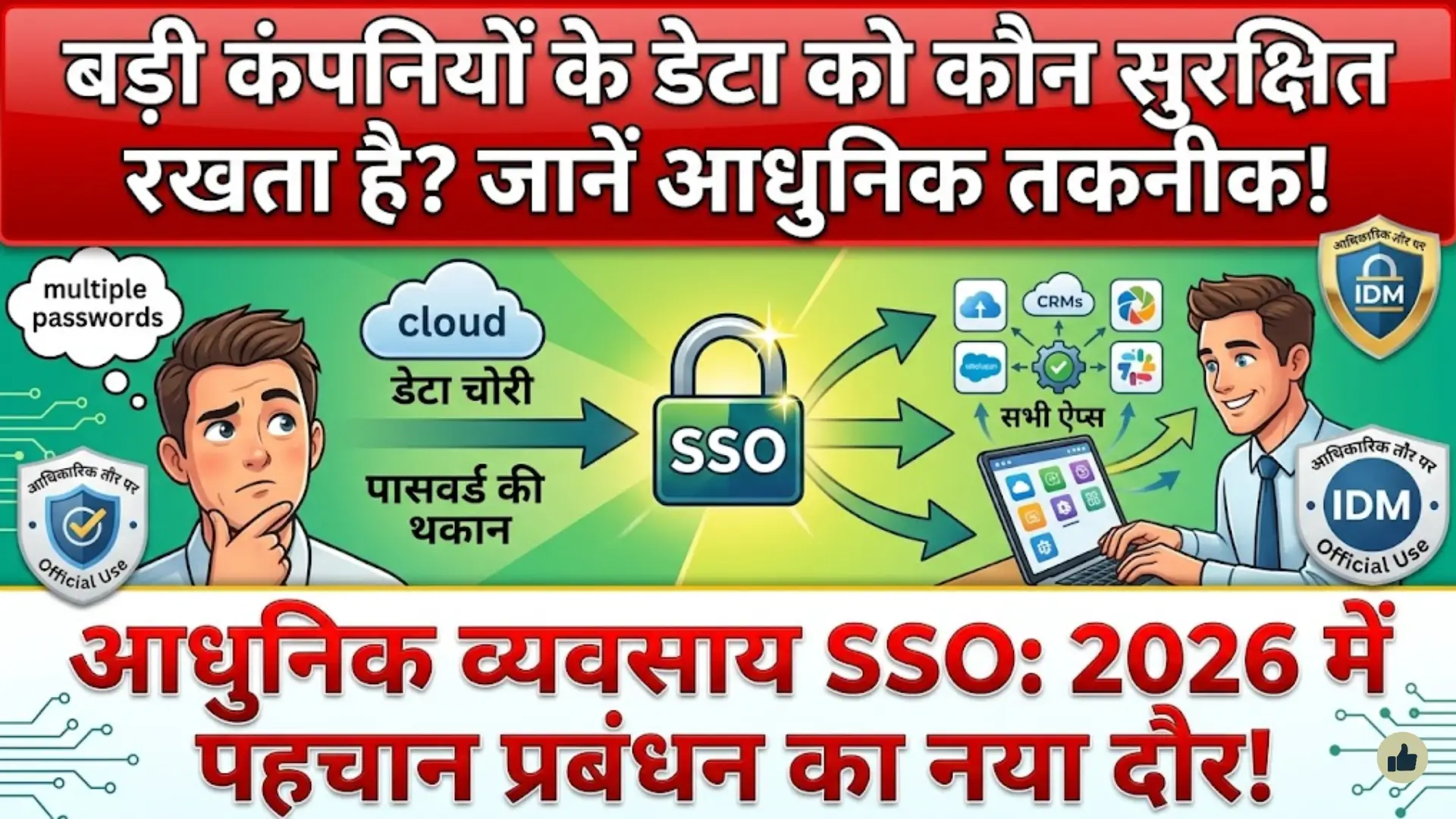
Business SSO Security Platforms: In today’s digital-first business environment, managing user identities securely has become one of the most critical challenges for organizations. Companies are no longer operating from a single system or location. Employees, partners, and customers access multiple cloud applications every day, which increases the risk of password fatigue, data breaches, and unauthorized access. This is where business SSO security platforms play a major role.
SSO Authentication for Beginners (2026): A Simple Guide to Secure One-Click Login Systems

Single Sign-On (SSO) security platforms are designed to simplify authentication while strengthening enterprise security. Instead of remembering multiple usernames and passwords, users log in once and gain access to all authorized systems. In 2026, these platforms are no longer optional they are a core part of modern identity and access management strategies.
SSO Security Risks in 2026: Hidden Threats and Modern Solutions for Safer Authentication Systems
What Are Business SSO Security Platforms
Business SSO security platforms are centralized authentication systems that allow users to access multiple applications using one set of login credentials. These platforms act as a secure bridge between users and business applications.
At their core, they reduce complexity and improve security by eliminating the need for repeated logins. They also help IT teams manage access control policies from a single dashboard.
Key functions include:
- Centralized user authentication
- Secure session management
- Access control enforcement
- Integration with cloud and on-premise applications
- Multi-factor authentication support
Why Businesses Need SSO Security Platforms in 2026
As organizations expand digitally, security risks also increase. Employees use SaaS tools, internal dashboards, CRM systems, and third-party applications. Without SSO, each system requires separate credentials, increasing vulnerability.
SSO Token-Based Authentication Explained: Secure, Scalable Login System for Modern
SSO platforms solve several major problems:
First, they reduce password fatigue. Employees no longer need to remember dozens of passwords, which often leads to weak or reused credentials.
Second, they improve security posture. Since authentication is centralized, IT teams can enforce stronger policies like multi-factor authentication and conditional access.
Third, they enhance productivity. Users spend less time logging in and more time working.
Finally, they simplify IT management. Admins can easily onboard or offboard users from one system instead of managing multiple accounts.
How SSO Security Platforms Work
The working mechanism of SSO is based on trust between identity providers and service providers.
Here’s a simplified flow:
- A user logs into the SSO portal.
- The identity provider verifies the credentials.
- Once verified, it generates a secure authentication token.
- This token is shared with connected applications.
- The user gains access without logging in again.
This process ensures that passwords are not repeatedly transmitted, reducing exposure to cyber threats.
Hidden Benefits of Single Sign-On You Should Know in 2026
Core Components of Business SSO Systems
A modern SSO security platform includes several essential components:
Identity Provider (IdP)
This is the core system that verifies user identities and manages authentication requests.
Service Provider (SP)
These are the applications and services that rely on the IdP for authentication.
Authentication Tokens
Secure digital credentials that confirm user identity without exposing passwords.
Directory Integration
SSO platforms often connect with directories like LDAP or Active Directory for user management.
Multi-Factor Authentication (MFA)
An additional security layer requiring users to verify identity through multiple methods.
Benefits of Using SSO Security Platforms
Businesses adopting SSO platforms experience significant advantages in both security and efficiency.
Enhanced Security
By reducing password usage, SSO minimizes risks related to phishing, credential theft, and brute-force attacks.
Better User Experience
Employees enjoy seamless access to applications without repeated logins.
Centralized Control
IT administrators can manage all user access from a single system.
Reduced IT Costs
Fewer password reset requests reduce helpdesk workload and operational costs.
Compliance Support
SSO systems help organizations meet regulatory requirements by improving access tracking and auditability.
Future of Single Sign-On: 2026 Trends Changing Digital Security
Common Challenges in SSO Implementation
While SSO provides strong benefits, implementation is not always simple.
Some common challenges include:
- Integration complexity with legacy systems
- Risk of a single point of failure
- Initial setup and configuration effort
- User resistance during transition
- Managing hybrid environments
However, modern SSO platforms in 2026 are increasingly cloud-native, making integration easier than before.
SSO vs Traditional Login Systems
Traditional login systems require separate credentials for each application. This creates inefficiency and security risks.
SSO systems simplify this by using one identity across all services.
Comparison:
- Traditional Login: Multiple passwords, higher risk, low convenience
- SSO Login: One identity, centralized security, high convenience
This shift is one of the biggest transformations in enterprise security infrastructure.
Why SSO Is Replacing Traditional Login Systems Across the World
Security Features in Modern SSO Platforms
Modern SSO security platforms include advanced protections such as:
Adaptive Authentication
Adjusts security requirements based on user behavior and location.
Zero Trust Integration
Verifies every access request instead of trusting internal networks.
Risk-Based Access Control
Blocks or challenges suspicious login attempts.
Session Monitoring
Tracks user activity in real time to detect anomalies.
Future of Business SSO Platforms
In 2026 and beyond, SSO platforms are evolving beyond simple authentication tools. They are becoming full identity security ecosystems.
Real-Life Single Sign-On Explained: Why Modern Apps Depend on One Secure Login
Future trends include:
- AI-driven identity verification
- Passwordless authentication
- Biometric login systems
- Deeper cloud integration
- Unified identity governance platforms
These advancements will further reduce cyber risks while improving user experience.
Best Practices for Implementing SSO in Business
To successfully deploy SSO security platforms, organizations should follow best practices:
- Enable multi-factor authentication for all users
- Regularly audit access permissions
- Use strong encryption for token management
- Train employees on secure login practices
- Integrate SSO with zero-trust architecture
Proper planning ensures smooth adoption and long-term security benefits.
Conclusion
Business SSO security platforms have become essential for modern enterprises dealing with complex digital ecosystems. They simplify authentication, enhance security, and improve productivity across organizations.
As cyber threats continue to evolve in 2026, businesses that adopt strong identity and access management systems will stay ahead in both security and operational efficiency. SSO is no longer just a convenience tool it is a foundational layer of enterprise cybersecurity strategy.
एकल साइन-ऑन प्रणाली लागू करते समय होने वाली सामान्य गलतियाँ जिन्हें हर हाल में टालना चाहिए
FAQs
What is a business SSO security platform?
It is a system that allows users to access multiple applications using a single login securely.
Is SSO safe for enterprises?
Yes, when properly configured with MFA and encryption, it significantly improves security.
What is the main benefit of SSO?
It reduces password complexity while improving security and user experience.
Can SSO work with cloud applications?
Yes, modern SSO platforms integrate easily with cloud and on-premise systems.
What is the future of SSO?
The future includes passwordless login, AI-based authentication, and zero-trust security models.
Get More info: आधुनिक अनुप्रयोगों के लिए एकल साइन-ऑन प्रणाली की सर्वोत्तम कार्यप्रणालियाँ