Motion Pattern Authentication
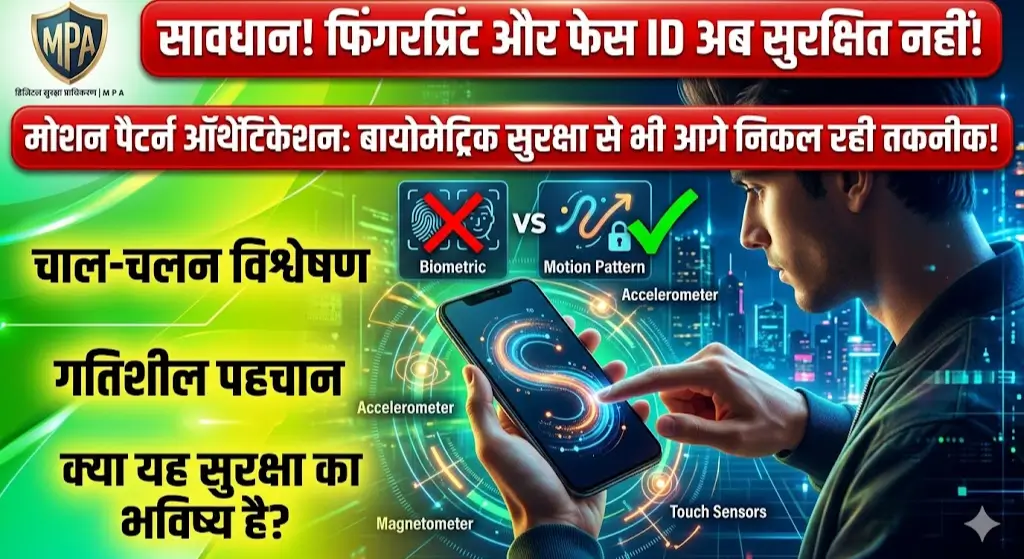
Motion Pattern Authentication: डिजिटल दुनिया में सुरक्षा की जरूरत पहले से कहीं अधिक बढ़ गई है। वर्षों तक Fingerprint, Face Recognition और Iris Scan जैसी Biometric Technologies को सबसे सुरक्षित Authentication Methods माना जाता रहा। लेकिन Cyber Threats और AI आधारित Fraud Techniques के बढ़ते खतरे ने सुरक्षा विशेषज्ञों को नए विकल्प तलाशने पर मजबूर कर दिया है।
इसी खोज का परिणाम है Motion Pattern Authentication — एक ऐसी तकनीक जो केवल आपके चेहरे या उंगली के निशान को नहीं, बल्कि आपके डिवाइस इस्तेमाल करने के अनोखे तरीके को भी पहचानती है। यही कारण है कि कई टेक कंपनियां अब इसे अगली पीढ़ी की डिजिटल सुरक्षा मान रही हैं।
SSO Validation Guide: How to Validate IdP and Enable SSO in OpenText ALM
What Is Motion Pattern Authentication?
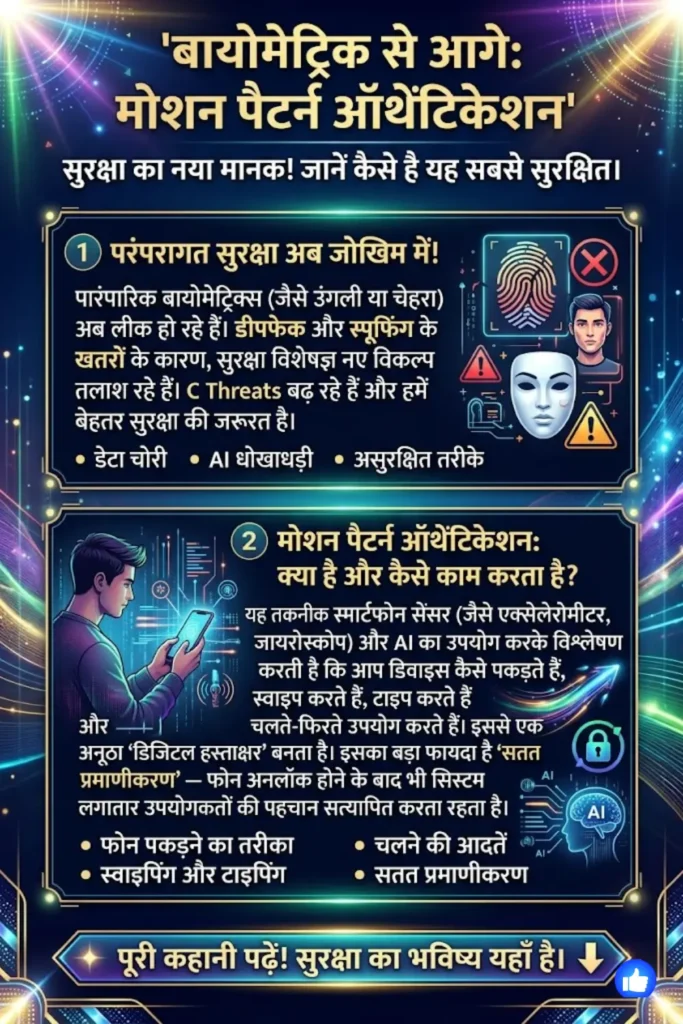
Motion Pattern Authentication एक Behavioral Security Technology है जो यह विश्लेषण करती है कि कोई व्यक्ति अपने स्मार्टफोन, टैबलेट या अन्य डिवाइस को कैसे उपयोग करता है।
इसमें कई प्रकार के Motion Signals का उपयोग किया जाता है:
Why Digital Body Language Authentication Is Becoming the Next Big Cybersecurity Shield in 2026
- फोन पकड़ने का तरीका
- स्क्रीन पर Swipe करने की गति
- टाइपिंग की रफ्तार
- डिवाइस को झुकाने या घुमाने का पैटर्न
- चलने या बैठने के दौरान फोन उपयोग करने की आदत
हर व्यक्ति का Motion Behavior अलग होता है, जिससे एक Unique Digital Signature बनती है।
Why Traditional Biometrics Are Facing Challenges
Biometric Authentication ने सुरक्षा को मजबूत बनाया, लेकिन इसके कुछ महत्वपूर्ण जोखिम भी सामने आए हैं।
Biometric Data Can Be Stolen
यदि किसी व्यक्ति का Fingerprint या Face Data लीक हो जाए, तो उसे बदला नहीं जा सकता।
Deepfake Technology
AI आधारित Deepfake Systems अब Face Recognition Systems को धोखा देने की क्षमता विकसित कर रहे हैं।
Spoofing Attacks
कई मामलों में हाई-क्वालिटी फोटो, 3D Masks और Recorded Voices का उपयोग करके Authentication Systems को भ्रमित किया गया है।
यही कारण है कि Security Experts अब Behavioral Identity Verification पर अधिक ध्यान दे रहे हैं।
How Motion Pattern Authentication Works
यह तकनीक Smartphone Sensors से डेटा एकत्र करती है।
इन Sensors में शामिल हैं:
- Accelerometer
- Gyroscope
- Magnetometer
- Touch Sensors
AI Algorithms इन सभी Signals को लगातार Analyze करते हैं और उपयोगकर्ता के व्यवहार का एक Dynamic Profile तैयार करते हैं।
यदि किसी समय डिवाइस का उपयोग सामान्य Pattern से अलग दिखाई देता है, तो सिस्टम अतिरिक्त Verification मांग सकता है।
Future Login Systems: अब आपकी Typing Energy Patterns से होगी पहचान
Continuous Authentication: The Biggest Advantage
Motion Pattern Authentication का सबसे बड़ा लाभ यह है कि यह केवल Login के समय काम नहीं करती।
इसे Continuous Authentication कहा जाता है।
उदाहरण के लिए:
यदि आपने फोन Unlock किया और बाद में कोई दूसरा व्यक्ति फोन इस्तेमाल करने लगे, तो सिस्टम उसके Motion Behavior को पहचानकर Access Restrict कर सकता है।
इससे सुरक्षा का स्तर काफी बढ़ जाता है।
Why AI Is Making Motion Authentication More Powerful
Artificial Intelligence Motion Pattern Authentication की सफलता का मुख्य कारण बन चुकी है।
AI Systems:
- User Behavior सीखते हैं
- समय के साथ Patterns अपडेट करते हैं
- असामान्य गतिविधियों का पता लगाते हैं
- Fraud Detection को बेहतर बनाते हैं
जितना अधिक सिस्टम उपयोगकर्ता के व्यवहार को समझता है, उतनी ही अधिक Authentication Accuracy बढ़ती है।
Industries Adopting Motion-Based Security
Motion Authentication अब केवल Smartphones तक सीमित नहीं है।
Banking Sector
Banks Online Transactions को सुरक्षित बनाने के लिए Behavioral Authentication का उपयोग कर रहे हैं।
Fintech Apps
Digital Payment Platforms Fraud Detection के लिए Motion Analytics अपना रहे हैं।
Healthcare
Sensitive Medical Records तक सुरक्षित पहुंच सुनिश्चित करने के लिए नई Authentication Layers जोड़ी जा रही हैं।
Enterprise Security
कंपनियां Remote Employees की पहचान सत्यापित करने के लिए Motion-Based Systems का परीक्षण कर रही हैं।
Why Touchless Identity Verification Systems Are Becoming the New Digital Security Standard in 2026
Benefits of Motion Pattern Authentication
Higher Security
केवल Physical Biometrics पर निर्भरता कम होती है।
Harder To Fake
किसी व्यक्ति के व्यवहार और Motion Habits की नकल करना बेहद कठिन है।
Better User Experience
बार-बार Password या OTP दर्ज करने की आवश्यकता कम हो सकती है।
Real-Time Threat Detection
Suspicious Activity तुरंत पहचानी जा सकती है।
Challenges Still Exist
हालांकि यह तकनीक तेजी से विकसित हो रही है, लेकिन कुछ चुनौतियां अभी भी मौजूद हैं।
Privacy Concerns
लगातार Behavioral Data Collection से Privacy को लेकर प्रश्न उठ सकते हैं।
Sensor Accuracy
कम गुणवत्ता वाले Sensors वाले Devices में Accuracy प्रभावित हो सकती है।
User Behavior Changes
समय के साथ लोगों की आदतें बदल सकती हैं, जिससे सिस्टम को लगातार सीखते रहना पड़ता है।
The Future of Authentication
भविष्य में Authentication केवल Face Scan या Fingerprint तक सीमित नहीं रहेगा।
विशेषज्ञों का मानना है कि आने वाले वर्षों में Multi-Layer Authentication Systems विकसित होंगे, जिनमें शामिल होंगे:
- Biometrics
- Motion Patterns
- Behavioral Analytics
- AI Risk Assessment
- Context-Aware Verification
इन सभी तकनीकों का संयोजन Cybersecurity को पहले से अधिक मजबूत बना सकता है।
Conclusion
Motion Pattern Authentication डिजिटल सुरक्षा की दुनिया में एक महत्वपूर्ण बदलाव का संकेत है। यह केवल यह नहीं देखती कि आप कौन हैं, बल्कि यह भी समझती है कि आप अपने डिवाइस का उपयोग कैसे करते हैं। AI और Behavioral Analytics के साथ मिलकर यह तकनीक पारंपरिक Biometrics की सीमाओं को पीछे छोड़ने की क्षमता रखती है।
जैसे-जैसे Cyber Threats अधिक जटिल होते जा रहे हैं, Motion-Based Authentication भविष्य की सबसे महत्वपूर्ण सुरक्षा तकनीकों में से एक बन सकती है।
You Can Also Read: How AI Attention Tracking Is Redefining the Future of SSO Security in 2026